
Studio Innovations Shaping Mobile High-Roller No-Deposit Code Access Through Varied Payment Routes in Live Table Environments
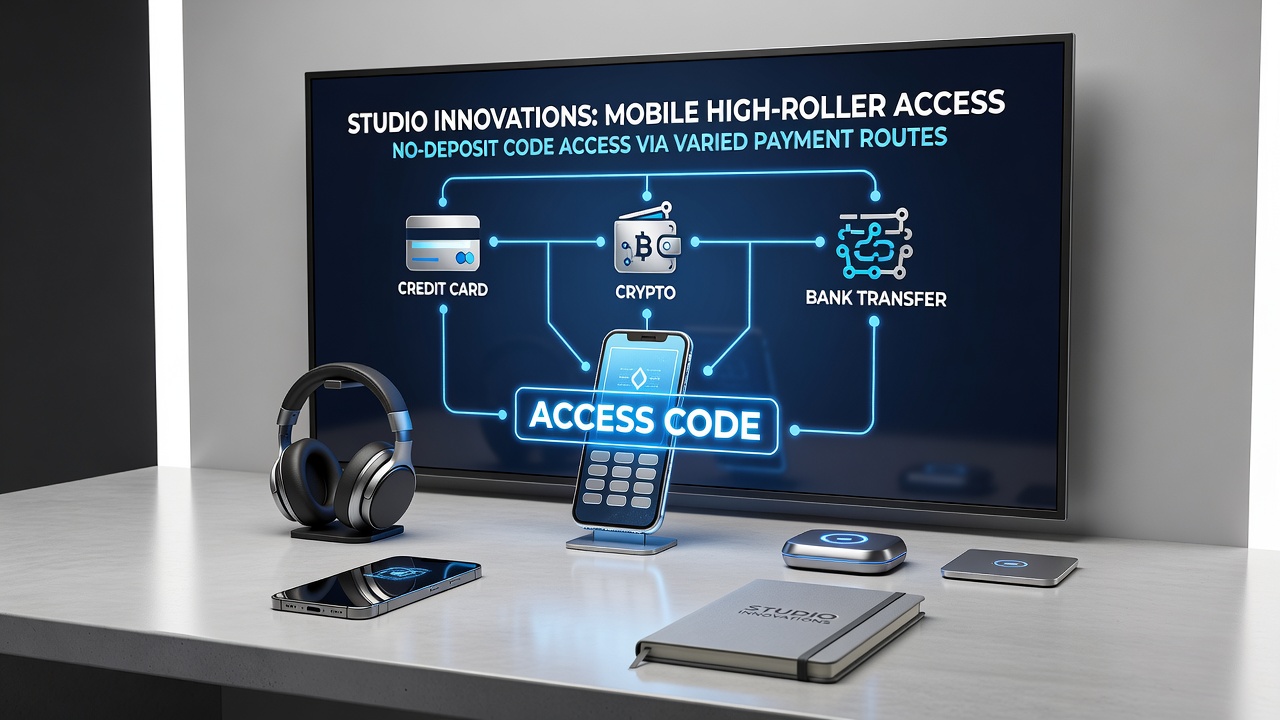
Game studios have developed specialized APIs that connect directly with mobile platforms, allowing high-roller players to activate no-deposit codes while selecting from payment routes such as e-wallets, cryptocurrency transfers, and bank wires in live dealer table settings, and these systems emerged prominently after 2024 updates in software architecture.
Data from industry reports shows that studios like those behind popular live blackjack and roulette titles now embed code validation layers into their mobile SDKs, which means players can enter no-deposit codes during table entry without leaving the app, while payment preferences determine eligibility flags in real time.
Technical Advances in Studio Software for Mobile Integration
Developers at major studios introduced modular payment gateways in 2025 that sync with no-deposit code databases, and these gateways let high-value participants route funds through diverse channels while maintaining session continuity at live tables on smartphones and tablets. Observers note that the architecture supports simultaneous verification of code status and payment method, reducing latency during peak hours.
Research indicates that such innovations rely on encrypted token exchanges between the studio backend and operator servers, which ensures that no-deposit offers tied to specific payment routes remain accessible only on verified mobile devices, and this setup gained traction following hardware improvements in 5G networks worldwide.
Payment Route Variations and Their Influence on Code Access
High-roller segments often utilize cryptocurrency options alongside traditional e-wallets when accessing no-deposit codes in live table environments, because studios programmed their systems to recognize these routes as distinct verification tiers, according to aggregated transaction logs shared across platforms. Figures from European Gaming and Betting Association studies reveal that code redemption rates increase when players combine digital asset transfers with mobile table sessions.
Yet the same systems flag certain bank transfer methods for additional checks, which extends the window for code activation but maintains security protocols, and this differentiation appears in studio documentation released during the second half of 2025.
Patterns Observed in November 2026 Updates
In November 2026 several studios rolled out enhanced mobile frameworks that further linked no-deposit code libraries to live table software, and these updates incorporated machine learning models trained on payment history data to predict eligible high-roller routes before players reach the table interface. Reports from the Australian Communications and Media Authority highlight similar regulatory alignments that encouraged such technical refinements across international operators.
Those who analyzed early adoption metrics found that code access through varied payment channels expanded by measurable percentages in regions with strong mobile infrastructure, while live dealer sessions benefited from reduced friction during entry sequences.
Studio Partnerships and Data Sharing Practices
Collaborations between game developers and payment processors have produced standardized data exchange protocols that feed into no-deposit code systems, allowing real-time updates based on route selection without interrupting table gameplay, and academic papers from the University of Nevada Gaming Research Center document these protocols as key factors in mobile high-roller retention.
One documented case involved a studio updating its live roulette mobile client to accept multiple wallet types alongside code entry fields, which resulted in broader access patterns reported by platform operators during quarterly reviews.
Conclusion
Studio-driven changes continue to reshape how mobile high-roller players reach no-deposit codes through payment route variations in live table environments, with ongoing technical refinements tracked in industry reports and regulatory filings from multiple regions. These developments maintain focus on integration layers that support seamless access while adhering to established verification standards.